Blog · AI Agent News · Coding agents VIEN
Moving to GPT-6.2 with your old prompt? Your agent may wait for "OK"
OpenAI had to write three prompt snippets to stop GPT-6.2 from pausing to ask. Before an overnight agent runs on it, retest your prompt.
In this article
Picture this: you start an agent at 11 p.m. and go to bed. By morning it is still on step 2, showing one line: "Want me to do step 3 next? Please confirm." It spent the night waiting for someone to type "OK, keep going."
That isn't me being dramatic. According to OpenAI, when a user's intent is unclear, GPT-6.2 sometimes suggests a next step and waits for confirmation, and the company wrote a dedicated prompt to stop it. So here is where I stand: moving to GPT-6.2 is not a one-line config change. You have to retest your prompt.
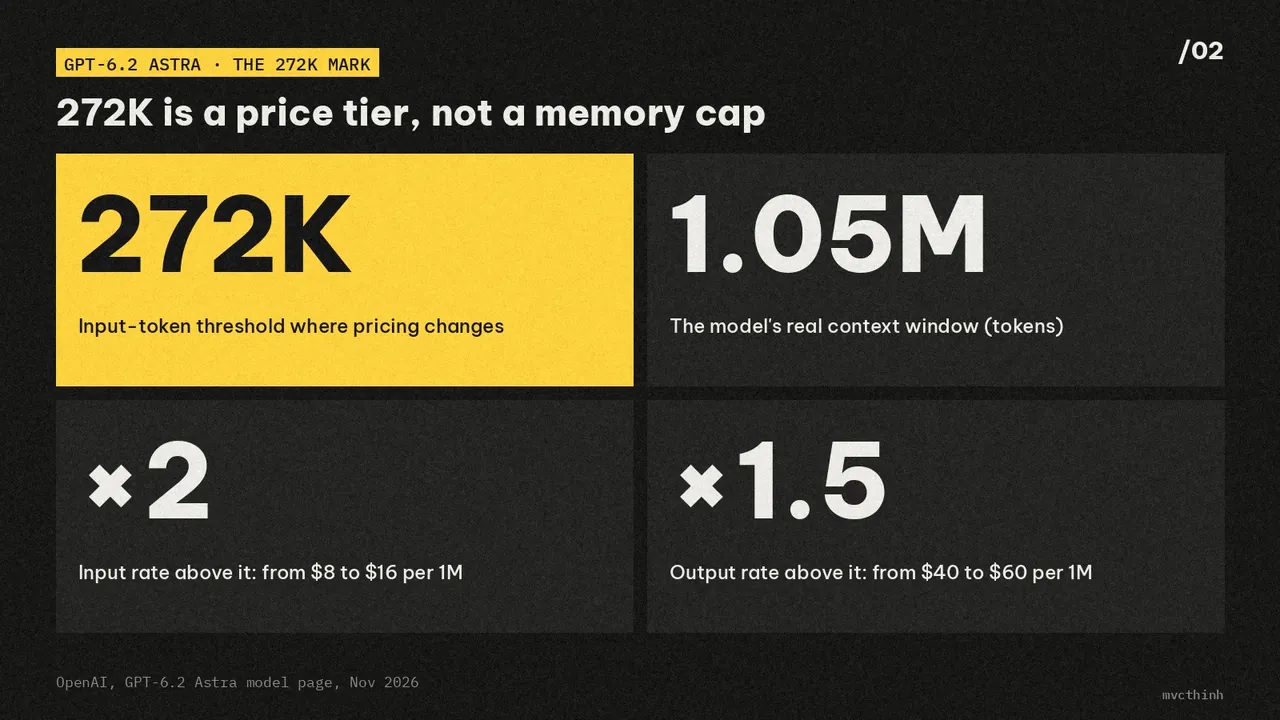
One number is easy to misread: 272,000 tokens. It is not the model's memory limit (the real context window is 1,050,000 tokens). It is a pricing threshold. A token is a chunk of text the AI reads and bills for, like a phone plan billed by the second. Once a request's input passes 272,000 tokens, the whole request is billed at double the input rate and 1.5 times the output rate. For GPT-6.2 Astra, input goes from $8 to $16 and output from $40 to $60 per million tokens.
Why does a GPT-6.2 agent keep stopping to ask?
By default GPT-6.2 writes shorter and more directly than earlier models, so an old "be concise" line in your prompt needs another look. My guess is that each wait-and-retry round makes the conversation longer, which makes an overnight session likelier to cross 272,000. The snippets below do not cap tokens, so you still have to watch them yourself.
Which 3 prompts should you paste in?
These three are copied word for word from OpenAI's Using GPT-6.2 guide. Put them in the first developer message of input.
- Don't stop while there is work you can do. Ask only when scope changes, you are truly blocked, a human must decide, or the next action can't be undone.
Avoid stopping to end the turn while the task is incomplete or if there is an authorized next step you can take, and instead take the next steps within task scope to progress the user's request.
Only stop to clarify with the user if there is significant change in task scope, you are concretely blocked, have a decision that the user needs to resolve, or before irreversible or destructive actions.- Make the final answer stand on its own. The model sometimes carries working shorthand into its last message; this snippet makes it write as if you had seen nothing.
Treat your final answer as the user's first look at your work, and not as a continuation of intermediate commentary. The final answer must always be fully self-contained: users should never need to read earlier commentary updates for context, since they are collapsed when the final answer is shown to the user.- Let it make assumptions. Pick a reversible option for minor gaps, say what it was, and keep going. OpenAI's coding template also says to add new tests only when requested, required by the repo, or needed for a specific regression.
Make reasonable, reversible assumptions to carry work forward and state them if it progresses the task within scope. Do not second guess yourself, stop after describing what you could do, offer to do the work, or provide a partial answer unless there is no way you can proceed. Also readApple Music Eats 8–11 GB With Zero Downloads: How to Fix It
What else changes in your setup after you switch?
Prompt caching means the model remembers the identical start of your requests so later turns bill for less, like an app saving a page so it opens without reloading. Astra bills cached reads at $0.40 instead of $8 per million tokens ($0.80 above 272,000), though being eligible does not guarantee a cache hit.
Recommended migration checklist, from OpenAI's docs:
| Setting | Before | With GPT-6.2 |
|---|---|---|
| Reusable prompt | top-level instructions | first developer message in input (because instructions now goes after input) |
| Reasoning effort | none or minimal | low (new integrations start at medium) |
| Old parameters | temperature, top_p | remove them, plus the logprobs parameters |
| Cheap async runs | service_tier: flex | Background mode (public beta), 2-hour or 8-hour window |
My take: what to do before an agent runs alone
I'm standing on the facts: OpenAI had to publish dedicated guidance to cure the stopping habit, told developers to revisit "be concise," moved where prompts belong and removed old parameters. This is a model you retrain, not an old one with a new name.
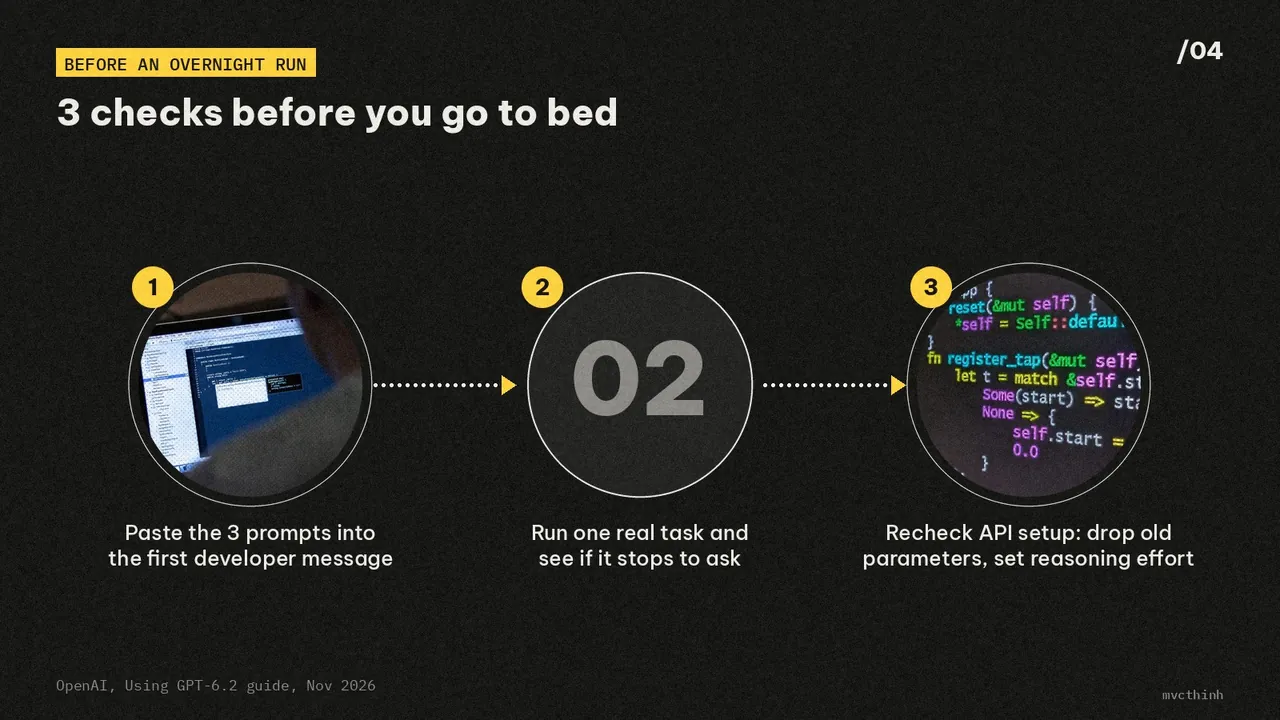
Back to the opening scene: an agent parked at step 2 is a bug you'd catch right away in a daytime test. Before you press run tonight, paste the three snippets, hand it one real task, and watch whether it stops at step 2. Finding that at 3 p.m. beats finding it at 7 a.m.
Sources
- OpenAI shares new prompting tips for GPT-6.2 Astra and Sol to fix brief answers and unnecessary questions The Decoder
- Using GPT-6.2 | OpenAI API Documentation OpenAI
- GPT-6.2 Astra | OpenAI API Documentation OpenAI
- GPT-6.2 Sol | OpenAI API Documentation OpenAI
- Pricing | OpenAI API Documentation OpenAI
Coding agentsOpenAI & ChatGPTAutomation
 Agent basics · Nov 22, 2026Gemini 4 Neon: Medium Costs 8× Less Than Claude, Scores Higher
Zapier ran AI through 657 simulated office tasks: Neon on Medium cost $0.58 a task, Claude Fable 5.2 cost $4.64 and scored…
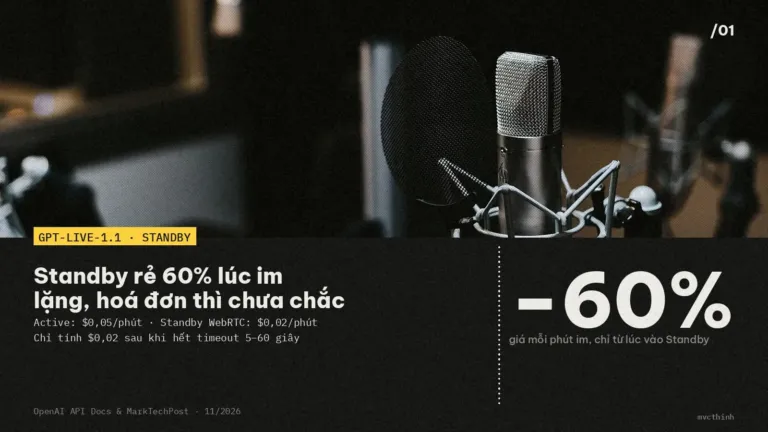 Agent basics · Nov 22, 2026GPT-Live-1.1 Standby Cuts the Idle Rate 60%, Not Your Bill
Standby drops the idle-minute price from $0.05 to $0.02, but only after a timeout. We run 1,000 idle hours to show how…
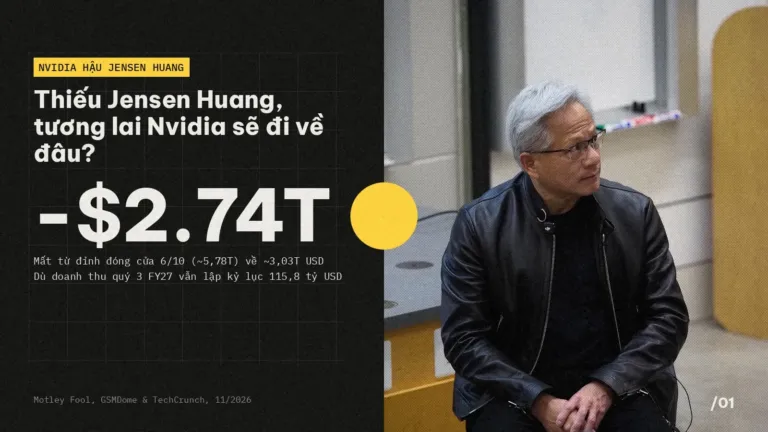 Safety & policy · Nov 21, 2026Nvidia Without Jensen Huang: Where Do CUDA and GPUs Go?
Analyzing Nvidia after Jensen Huang: the 60-report leadership gap, Claude Mythos and AMD pressure on CUDA, and what GPU buyers face next.