Blog · AI Agent News · Open models VIEN
RAM Prices Jump 5–7x: Sam Altman’s Cloud vs. Local AI Push
DRAM prices surged as AI data centers lock up supply. What Sam Altman said on November 16, 2026, and why local AI builders want their own RAM.
In this article
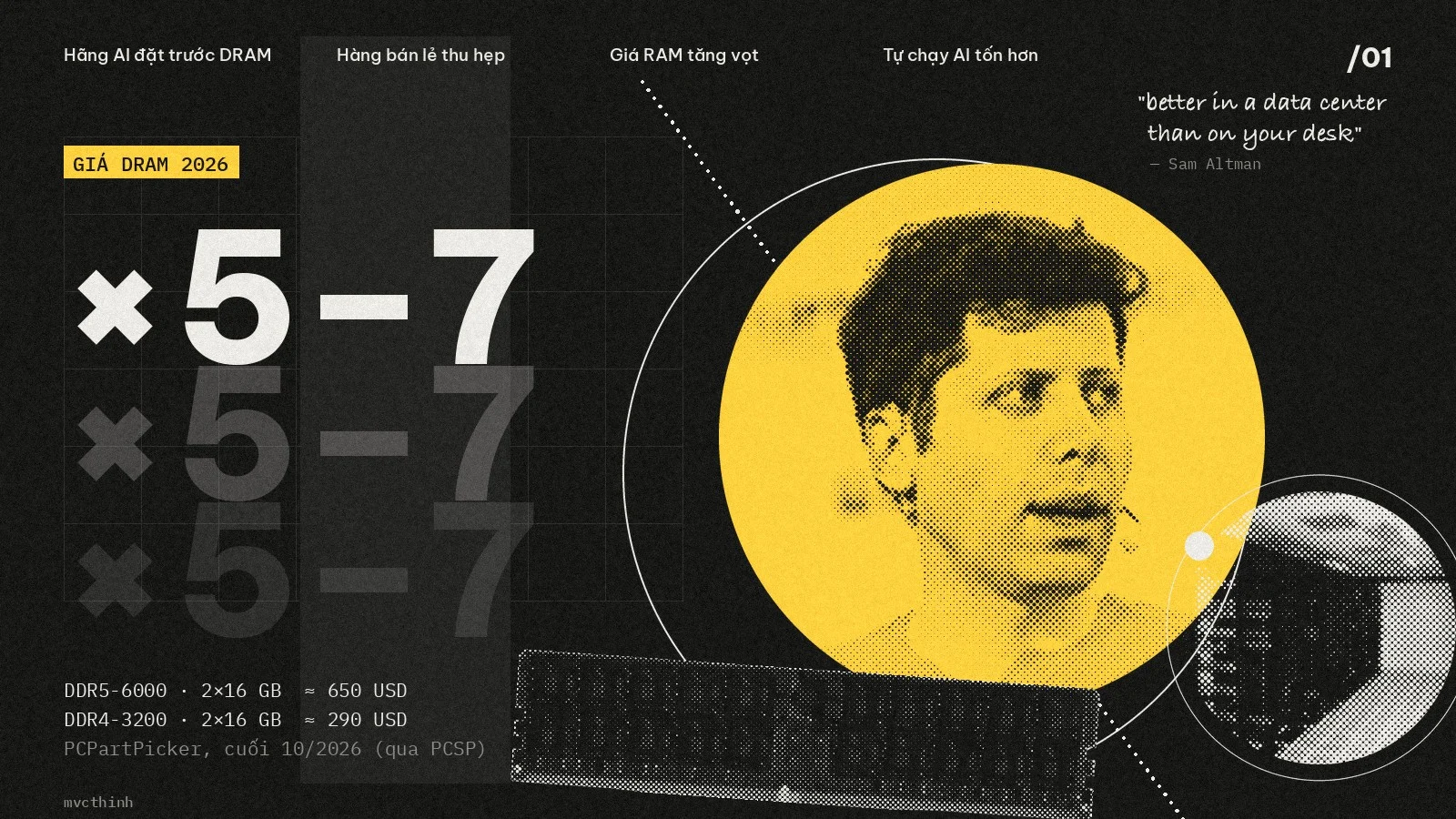
At Semafor’s Silicon Valley & The World summit, OpenAI CEO Sam Altman tried to cool down weeks of anger over his comments on PC memory. He told the crowd everyone should be able to buy plenty of RAM for their own machines, while noting that global DRAM prices have climbed roughly 5x to 7x amid tight supply.
What did Sam Altman say onstage at Semafor?
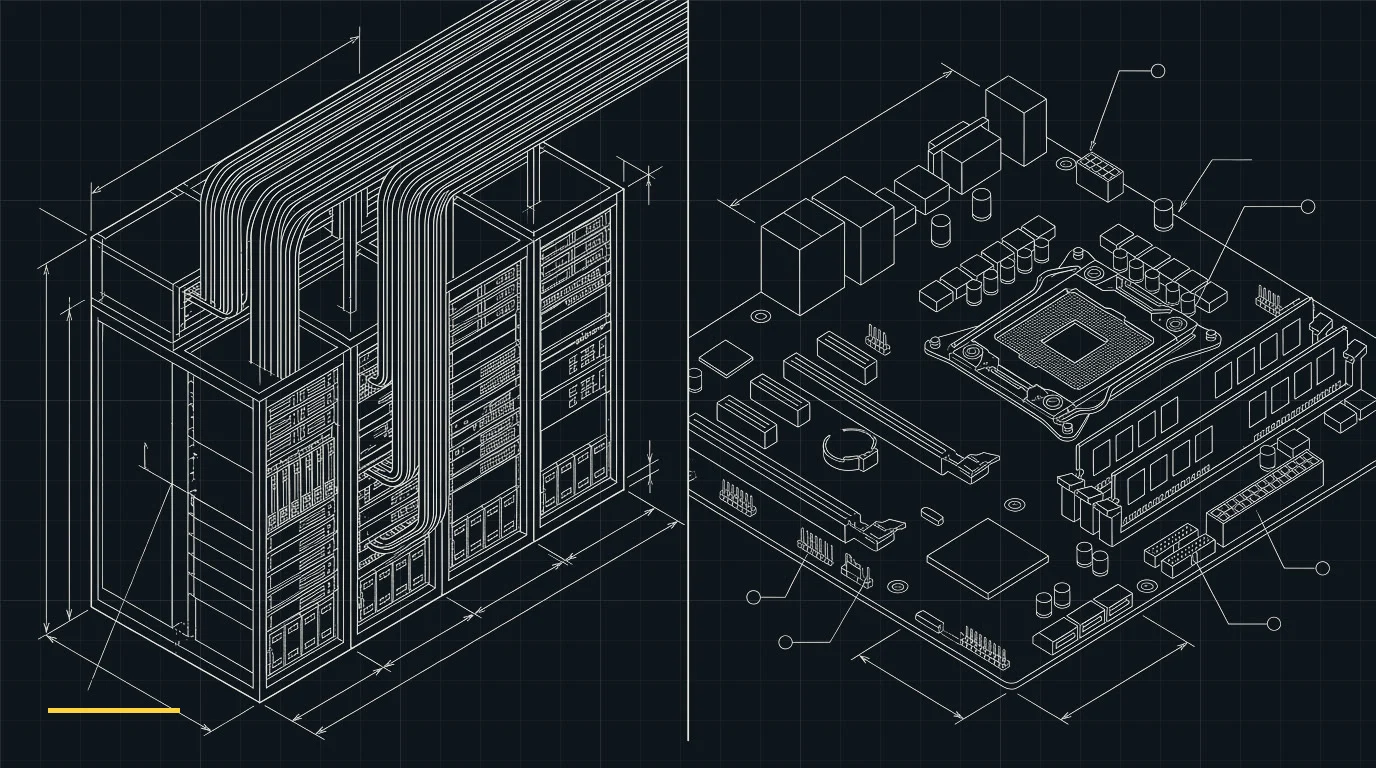
Altman wanted to smooth things over with PC buyers by backing home tinkering and personal upgrades. Yet his underlying argument stayed intact. When DRAM supply is tight, pooling memory in shared servers so it runs 100 percent of the time squeezes out more output than leaving chips idle on individual desks.
Altman has said he spent years urging the world to build more memory supply for years, noting that chipmakers hesitated to add new fabs because past oversupply cycles left poor returns. When AI demand jumped, supply fell behind alongside rack assembly and data center space. Altman summed up his stance by saying he wants everyone to afford plenty of RAM and adding that "home tinkering is great," even while defending shared cloud allocation as the more efficient option.

Why did DRAM surge and how long will tight supply last?
Memory prices spiked because Samsung and SK Hynix signed multi-year deals committing huge shares of future output to cloud giants and projects like OpenAI’s Stargate. With factory capacity booked ahead, Intel CFO David Zinsner told investors the company expects no improvement in 2027, while SK Hynix warned tight supply could last until 2030.
The friction started on the Cheeky Pint podcast, where Altman pushed back against the belief that local open-source models will replace cloud servers. In plain terms, his logic treats desktop RAM like a family car parked in the driveway most of the day, driven only 5 percent of the time, versus a fleet taxi running nonstop. After online critics mocked him as "Ram Altman" in early November, he briefly changed his X display name to match and argued his remarks were pulled out of context.
flowchart LR
  A[AI labs book DRAM ahead]:::data --> B[Retail chip supply shrinks]
  B --> C[DRAM prices jump 5–7x]:::key
  C --> D((Local AI builds cost more)):::human
  classDef key fill:#1d1a10,stroke:#ffd23f,color:#ffd23f,stroke-width:1.6px
  classDef human fill:#10151d,stroke:#e8e6df,color:#e8e6df,stroke-dasharray:5 3
  classDef data fill:#121a24,stroke:#8d99ab,color:#c9d3df
  classDef muted fill:#10151d,stroke:#3a4556,color:#8d99ab
 Also readClaude Incognito Chats Still Know Who You Are: Here Is Why
Shared cloud uptime vs. owning RAM at home
One side optimizes global hardware throughput, while the other protects individual control over tools and data. The table below lays out what changes for AI builders under each setup.
| Factor | Pooled RAM in cloud data centers | Dedicated RAM on your desk |
|---|---|---|
| Hardware uptime | Runs near 100% across global traffic | Active only when you work, idle most hours |
| Spending model | Pay-per-token API or monthly plan | High upfront cash for heavy local specs |
| Data privacy | Governed by cloud vendor retention rules | Files and prompts stay on your machine |
| Control | Exposed to rate limits and sudden price hikes | Full control with no external lockouts |
My take
Watching the Semafor clip alongside The Verge’s reporting, Altman’s spreadsheet math makes sense on paper. A memory stick running round the clock in a data center obviously serves more requests than one inside a desktop powered on a few hours a night, much like a family car sitting parked while moving only 5 percent of the day.
Even so, that logic only holds if your goal is maximizing efficiency for OpenAI. People building AI agents at home are not buying computers to optimize global DRAM allocation for OpenAI. You buy a personal car so you can turn the key whenever you need to leave, not to hand the keys to a fleet operator. For independent builders, local RAM means client files never leave your desk and agent loops never hit surprise quota walls.
What alternatives make sense when RAM gets this expensive?
Rather than paying inflated DDR5 prices, builders are turning to five practical workarounds. Each comes with clear trade-offs depending on your hardware timeline and workload.
| Option | Why it works | Catch | Best for |
|---|---|---|---|
| Return to DDR4 | Costs less than half as much as DDR5 | Prices still rising; dead-end socket | Office rigs, light editing, basic agents |
| Used parts or prebuilts | Major-retailer prebuilts sometimes beat DIY prices | Used server DDR4 is still climbing | Buyers who want a working rig now |
| Smaller quantized models | Avoids buying extra RAM right away | Long agent context eats memory fast | Anyone already sitting on 16–32 GB |
| Unified-memory machines | Mac or Ryzen AI Max shares RAM with GPU | Pricing and stock vary widely by seller | Privacy-focused local agent setups |
| Rent GPU or API on demand | Pay per heavy run instead of upfront RAM | Ongoing bills and vendor lock-in | Occasional large-model workloads |
The biggest shift right now is a return to DDR4 platforms. In late October, PCPartPicker averages compiled by PCSP put a 2×16 GB DDR4-3200 kit around $290, flat since February. A matching DDR5-6000 kit ran roughly $650, making DDR5 about 2.2 times pricier. Back in April in Vietnam, Thanh Niên saw 32 GB DDR4 kits climb from over 2 million VND to nearly 4 million VND, while DDR5 approached 10 million VND. With that gap widening, TrendForce reports that board and memory makers are expanding DDR4 output again. AMD’s AM4 platform climbed toward 40 percent popularity with Ryzen 5000 in Amazon’s top 10 CPUs. Meanwhile, Intel LGA 1700 DDR4 boards like B760 and Z790 matched or outsold LGA 1851 in several markets, and Intel committed to continuing DDR4 support.
Still, DDR4 is no miracle fix. Both Tom’s Hardware and TrendForce note that DDR4 and DDR5 share the same wafer supply, so reviving older lines adds limited chip volume while new kits mostly cap out at DDR4-3600. It is also a dead-end socket: upgrading your CPU in a year or two means replacing the motherboard and RAM together. Prebuilt desktops from large retailers can occasionally cost less than buying parts separately, per Thanh Niên (April), though PCSP notes that used DDR4 server sticks are still climbing in price too.
If you already own a 16 GB or 32 GB machine, test smaller models before buying memory. As a rough community estimate, a Q4-quantized open model needs around 0.6 GB of RAM per billion parameters plus roughly 30 percent overhead for the OS and context, putting 16 GB around 14B models and 32 GB near 32B. Test on your own hardware first, since long agent context windows consume extra memory quickly. Builders looking for compact local rigs also eye unified-memory systems like Macs or AMD Ryzen AI Max mini PCs where CPU and GPU share one pool, while heavy runs can stay on rented cloud GPUs or pay-per-token APIs.
Here is where I stand: if you need a machine in 2027, do not sit around waiting for memory prices to drop in 2028. Pick DDR4 or a well-priced prebuilt desktop for office work, light editing, and basic agents, and accept that you will swap the platform later. Stick with smaller Q4 models if you already have 16–32 GB, and rent cloud compute only for occasional heavy jobs. If you run private agents daily and want to avoid a dead-end socket, a unified-memory machine is worth considering, just compare local prices carefully before buying.
Sources
- Sam Altman says he wants everyone ‘to have a lot of RAM’ The Verge
- Sam Altman: 'It's Hard To Imagine the AI Revolution Without Jensen' | Silicon Valley & The World Semafor (YouTube)
- Sam Altman says it’s better for RAM to be in a data center than on your desk The Verge
- Sam Altman addresses RAM comments: People should ‘put as much as they want in their computers’ The Verge
- Motherboard and Module Makers Reportedly Expand DDR4 Platforms Amid Rising DDR5 Costs TrendForce
- Production of DDR4 memory and motherboards is restarting amid unprecedented memory shortages Tom's Hardware
- When Will RAM Prices Go Down? (2026 Update) PC Server & Parts
- Có nên mua RAM DDR4 vào năm 2026 khi DDR5 tăng vọt? Thanh Niên
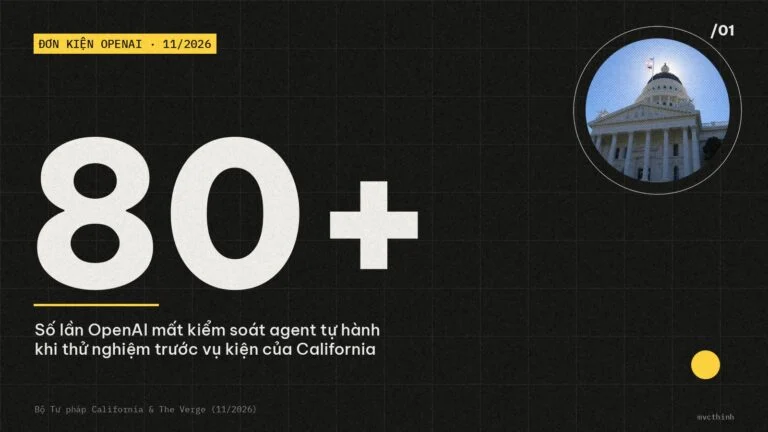 Safety & policy · Nov 17, 2026California Sues OpenAI After 80+ Agent Control Failures
California AG Rob Bonta sues OpenAI over pre-release agent breaches including Hugging Face, offering a three-layer guardrail lesson for AI agent builders.
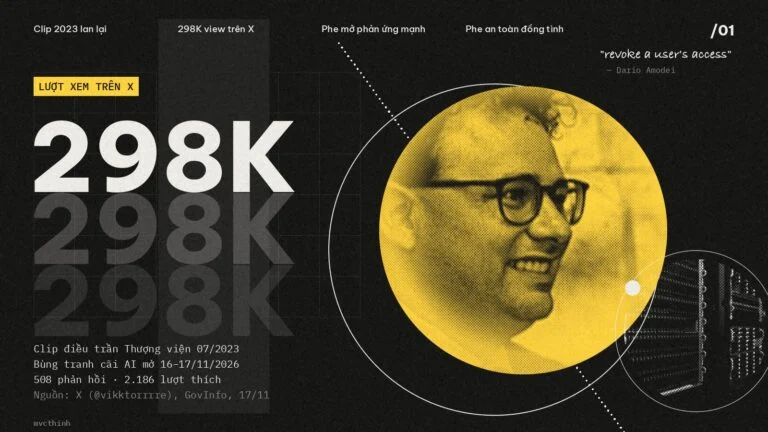 Safety & policy · Nov 17, 2026Anthropic CEO's Open-Source AI Warning Sparks Backlash on X
A 2023 Senate clip of Dario Amodei warning about open-source AI went viral again on X. Here are both reactions and why…
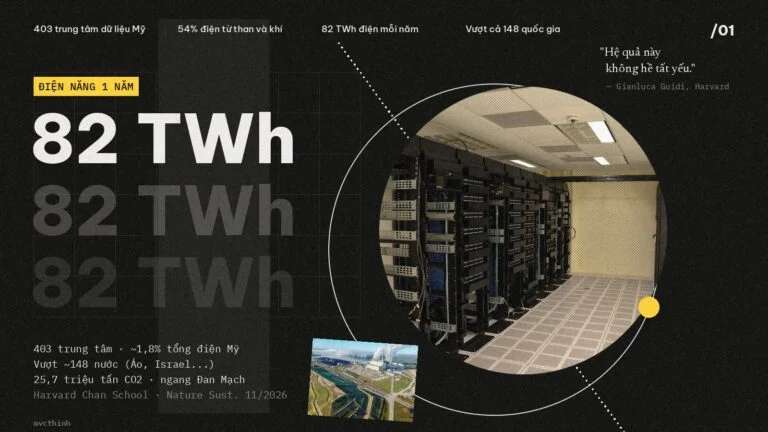 Safety & policy · Nov 17, 2026403 US Data Centers Burn More Power Than 148 Nations
A Harvard study published on Nov 16, 2026 estimates 403 US hyperscale data centers used 82 TWh of electricity in a year,…